
Blog
How to Choose the Right Catering Service for Your Event

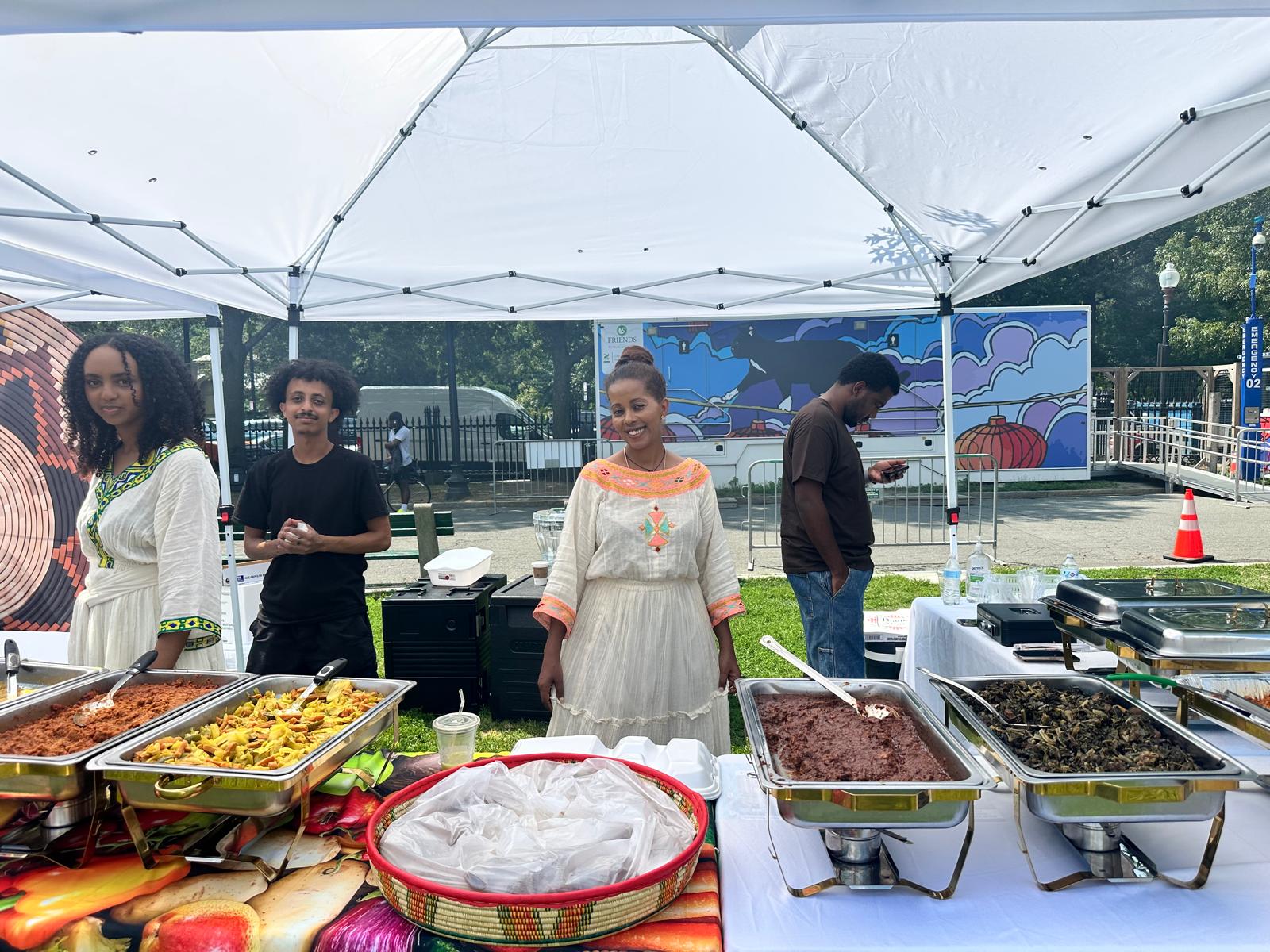
A successful event needs good food and smooth service. Guests often remember the taste, the presentation, and how food is served. A poor catering choice can affect the overall mood of the event. Careful planning helps avoid stress and last-minute problems.
This guide explains how to select the exemplary catering service using simple steps. Clear points help people with basic English understand the process easily. The advice works for weddings, birthdays, corporate meetings, and family gatherings.
Understand the Type of Event
Every event has a different purpose. A wedding needs elegant food and proper serving staff. A corporate meeting needs fast service and light meals. A birthday party often needs fun food and a simple presentation.
Event size matters as well. Small events allow flexible menus. Significant events need strong planning and enough staff. Event timing also affects food choice. Morning events suit light meals. Evening events suit full-course menus.
Precise event details help caterers suggest the right options.
Set a Clear Budget Early
Budget planning helps narrow choices. Catering costs depend on menu items, guest count, service style, and location. Some caterers charge per plate—some charge per person. Extra services may include staff, equipment, and decoration.
A realistic budget avoids confusion later. Honest discussion with caterers helps control costs. Transparent pricing builds trust and avoids hidden charges.
Search for Local Catering Services
Local caterers understand the area well. Local knowledge helps with venue access, traffic timing, and ingredient supply. A caterer from your city can respond faster during emergencies.
Search online using location-based terms like “event catering service near me” or “catering service in your city.” Google Business profiles, local directories, and social media pages provide valid details.
Check Experience and Specialization
Experience shows how well a caterer handles pressure. Some caterers focus on weddings. Some serve corporate events. Some handle outdoor functions.
Past work shows service quality. A strong portfolio builds confidence. Years of experience often mean better problem-solving skills.
Ask about similar events handled before. Experience with your event type matters more than total years in business.
Review the Menu Options
Menu quality defines guest satisfaction. A good caterer offers menu flexibility. Dietary needs deserve attention. Many guests prefer vegetarian, vegan, halal, or gluten-free options.
Seasonal and fresh ingredients improve taste. Local dishes add cultural value. Menu tasting helps check flavor and portion size.
Clear menu descriptions help guests know what to expect.
Ask About Food Safety and Hygiene
Food safety protects guests’ health. Clean kitchens and trained staff show professionalism. Licensed caterers follow food safety rules.
Ask about food storage, preparation methods, and serving practices. Hygiene standards matter more during large gatherings.
Safe food builds trust and protects the event’s reputation.
Understand the Service Style
Service style affects guest experience. Buffet service allows variety and movement. Plated service feels formal and organized. Live stations add interaction and freshness.
Each style suits different events. Venue size and guest number affect the choice. Discuss service flow with the caterer to avoid long lines or delays.
Check Staff Quality and Behavior
Friendly staff improve guest comfort. Trained servers handle food and guests politely. A professional dress code adds visual appeal.
Staff count matters as well. Enough servers ensure fast service. Short staffing can cause delays and dissatisfaction.
Clear staff roles keep the event running smoothly.
Read Reviews and Testimonials
Customer reviews reveal real experiences. Online reviews show strengths and weaknesses. Focus on food quality, punctuality, and staff behavior.
Local reviews help with geo-relevance. Consistent positive feedback shows reliability. One or two bad reviews may happen. Repeated complaints show red flags.
Confirm Logistics and Equipment
Catering needs equipment like tables, chafing dishes, cutlery, and glassware. Some caterers include equipment. Some charge extra.
Venue rules affect setup time and access—power supply matters for hot food and live cooking. Transport arrangements affect food freshness.
Precise logistics planning avoids confusion on event day.
Discuss Contracts and Terms Clearly
Written agreements protect both sides. Contracts should mention menu, guest count, timing, price, and cancellation terms.
Clear payment schedules avoid disputes. Refund and reschedule policies matter in the event of unexpected changes.
A clear contract gives peace of mind.
Plan a Final Meeting Before the Event
A final discussion helps confirm details. Guest count updates help adjust food quantity. Timeline review ensures timely service.
Clear communication prevents mistakes. A final checklist keeps everything on track.
Why the Right Caterer Matters
Food brings people together. Good catering supports event success. Reliable service reduces stress for hosts.
The right caterer understands your vision and delivers smoothly.
Frequently Asked Questions
How early should a catering service be booked?
Early booking helps secure the best caterers. Popular dates fill fast. Booking at least one to three months before the event works well.
How much food should be ordered per guest?
Portion size depends on the menu and event length. Experienced caterers guide quantity planning to avoid waste or shortage.
Can caterers handle special dietary needs?
Most professional caterers offer options for vegetarian, vegan, halal, and allergy-sensitive meals. Clear communication helps proper planning.
Does catering cost include staff and equipment?
Some caterers include staff and equipment. Some charge separately. Always ask for a full cost breakdown.
How can food quality be checked before booking?
Menu tasting sessions allow direct quality checks. Photos, reviews, and referrals also help assess standards.