
Blog
How to Plan the Perfect Menu for Any Event

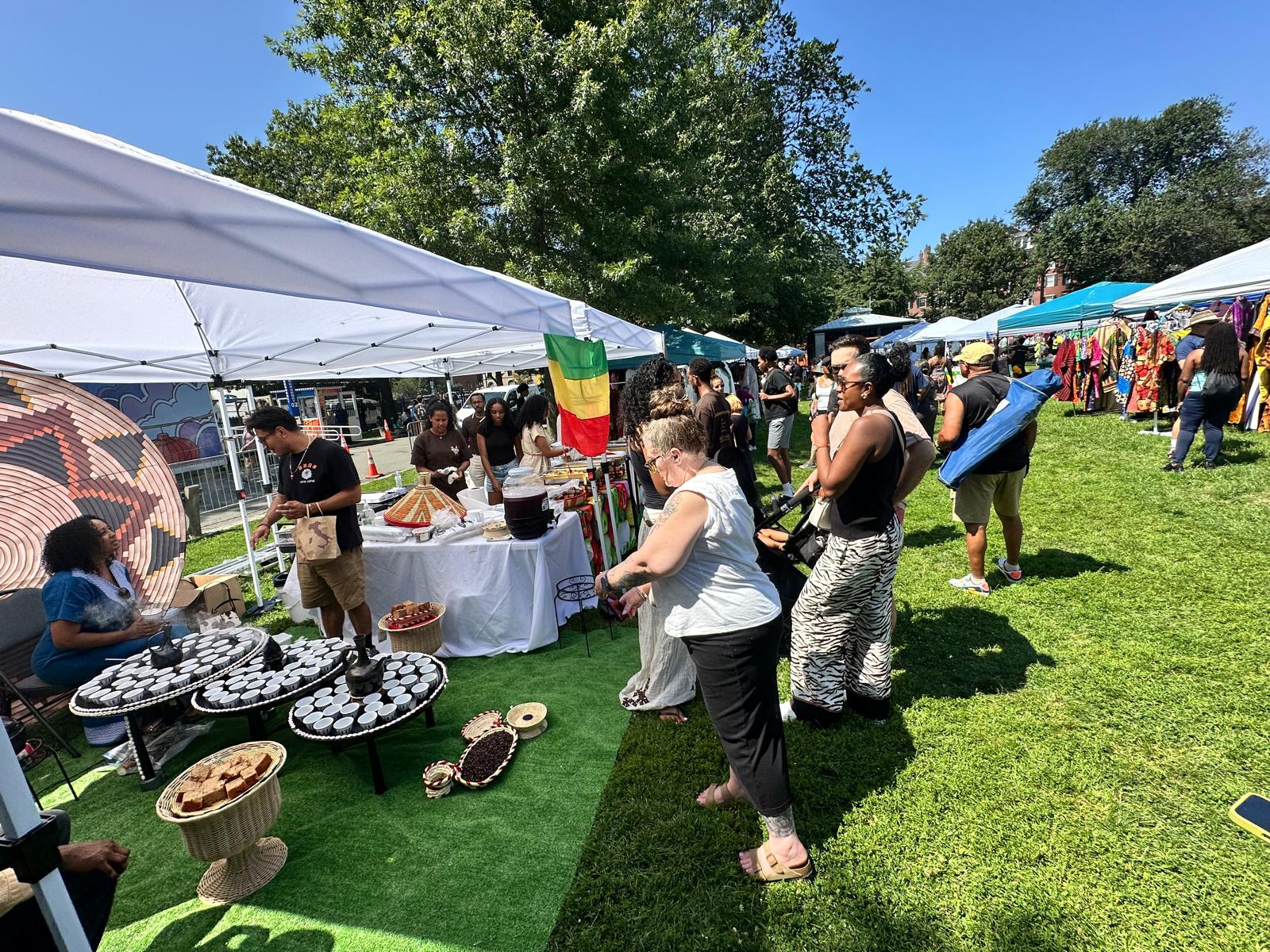
A good menu shapes the success of any event. Guests remember food more than décor or music. A clear plan helps hosts avoid stress and serve food that guests enjoy. The right menu also matches the event type, location, season, and guest needs.
This guide explains menu planning. Every step uses clear language and practical tips. The advice fits weddings, birthdays, business events, and family gatherings.
Understand the Event Type
Every event has a purpose. Food should match that purpose. A wedding needs elegant dishes and balanced meals. A business meeting needs light food that feels easy to eat. A birthday party needs fun and familiar flavours.
Event timing also matters. Morning events work well with breakfast items. Afternoon events suit light meals. Evening events allow heavier dishes. The menu should support the event’s mood.
Know Your Guests
Guests shape the menu more than any other factor. Age, culture, and lifestyle affect food choices. Some guests prefer mild flavours. Others enjoy spice. Some guests eat meat. Others avoid it.
Diet needs deserve respect. Many guests avoid gluten, dairy, or certain meats. Asking about food needs before the event saves problems later. A varied menu makes everyone feel welcome.
Set a Clear Budget
A budget guides every menu decision. Food costs include ingredients, preparation, service, and equipment. A clear budget helps avoid waste and stress.
Simple food does not mean poor quality. Seasonal items cost less and taste better. Local produce also reduces cost and improves freshness. Portion control also helps control spending.
Choose the Right Menu Style
Menu style affects flow and comfort. A plated meal suits formal events. Buffet service allows choice and flexibility. Food stations create movement and interaction. Family-style meals build a warm atmosphere.
The venue layout matters. Small spaces suit plated service. Open spaces handle buffets better. Outdoor events need food that stays fresh longer.
Balance Flavours and Textures
A strong menu uses balance. Heavy dishes need light sides. Crunchy textures need soft elements. Sweet flavours need contrast.
A sample balance includes:
- One main protein
- One vegetarian option
- Fresh vegetables
- A starch such as rice or potatoes
- A light dessert
This structure keeps the menu simple and pleasing.
Use Seasonal and Local Food
Seasonal food tastes better and costs less. Summer menus work well with fresh salads and grilled items. Winter menus suit warm dishes and rich sauces.
Local food supports nearby suppliers and reduces travel time. Guests often enjoy dishes that reflect local culture and ingredients.
Plan Drinks with Care
Drinks deserve equal attention. Water should remain available at all times. Non-alcoholic beverages are suitable for guests of all ages. Alcohol choices should stay simple.
Hot drinks suit cold-weather events. Cold drinks refresh guests in warm weather. Drink service should match event length and guest count.
Consider Food Safety and Flow
Food safety protects guests and hosts. Hot food should stay hot. Cold food should stay cold. Clean service tools reduce risk.
Food flow also matters. Long lines cause frustration. Clear labels help guests choose faster. Staff support improves service speed.
Test the Menu Before the Event
A menu test reveals problems early. Taste checks confirm flavour balance. Portion checks prevent shortages. Timing checks ensure smooth service.
Notes from testing help refine the final menu. Small changes often improve the whole experience.
Adapt the Menu to the Location
Location affects menu success. Indoor venues allow wider food options. Outdoor events need food that handles heat or wind. Remote places need simple logistics.
City events may need fast service and compact dishes. Rural events allow for a relaxed pace and larger portions.
Plan for Flexibility
Unexpected changes happen at events. Extra guests may arrive. The weather may shift. A flexible menu allows quick adjustment.
Backup dishes and extra snacks help manage surprises. A calm plan supports a smooth event.
Geo-Optimised FAQs
What menu works best for events in New York City?
Events in New York City benefit from diverse menus. Guests enjoy international flavours, fresh salads, and compact portions due to the fast pace.
How can hosts plan an event menu in Los Angeles’ weather?
Los Angeles events suit light food and fresh ingredients. Cold drinks and outdoor-friendly dishes work well in warm weather.
What food choices suit weddings in London venues?
London weddings often feature classic dishes with modern twists. Seasonal vegetables and balanced meals fit local tastes.
Which menu style works best for corporate events in Dubai?
Dubai business events benefit from buffet or food station styles. Clear labels and varied options suit international guests.
How should a menu adapt for outdoor events in Texas?
Texas outdoor events need heat-safe food. Grilled items, sturdy sides, and strong hydration options work best.
Final Thoughts
A clear menu plan is essential to every successful event. Simple steps help hosts serve food that guests enjoy and remember. Thoughtful planning reduces stress and builds confidence. A well-planned menu turns any gathering into a positive experience.